Eight Pre-Purchase Inspection Red Flags That End the Deal
 By Anthony LimpertASE Business Built With Master Automotive Technicians
Author Source EEAT Authors · Anthony's Author Page
Eight inspection findings that should end a used car deal, the ones that only lower the price, and how California smog rules change how you read the scan.
- A red flag is a finding you can't fix with money, or can't trust after you fix it.
- Eight end the deal. A refused inspection, bad paperwork, cleared codes, a hidden warning light, head gasket signs, frame repair, flood signs and miles that don't add up.
- Tires, brakes, small leaks and worn parts are not red flags. They lower the price.
- In California, the seller owes you a passing smog certificate. A scan that can't pass smog is their problem until you sign.
- A clean history report doesn't clear a car. It never lists mechanical problems.
In California, the seller has to hand you a valid smog certification when they sell the car (California DMV, Smog Inspections). That one law changes how we read a scan on every inspection here. A car that can't pass smog today isn't your repair bill yet. It's the seller's.
So we sort findings by one question. Can money fix this, and can you trust the car after? If the answer is no, it's a red flag. If yes, it's a price talk.
Sort Every Finding Into Three Piles
Every inspection finds something. A used car with zero findings is rare. What matters is which pile each one lands in.
| Pile | What Goes In It | What You Do |
|---|---|---|
| Walk away | Problems money can't fix, or that hide other problems | Thank the seller and leave |
| Price it | Wear parts and repairs with a known cost | Get a quote, then ask for that much off |
| Shrug | Dings, chips, scuffs and faded trim | Note it, maybe mention it, move on |
Buyers often get this backward. They panic over a scratched bumper and shrug at a warning light. The scratch costs a few hundred dollars. The light could be anything.
Eight Findings That End the Deal
Any one of these is enough. Two together and there's no price that makes it right.
- The seller won't allow it. The FTC says to avoid a dealer who won't let an independent mechanic inspect the car. A private seller who says no is telling you the same thing.
- The paperwork doesn't match. The VIN on the car, the title and the registration should all agree. A salvage, flood or junk brand the seller never mentioned ends it too.
- The readiness monitors aren't ready. That usually means codes were cleared not long ago. More on this below.
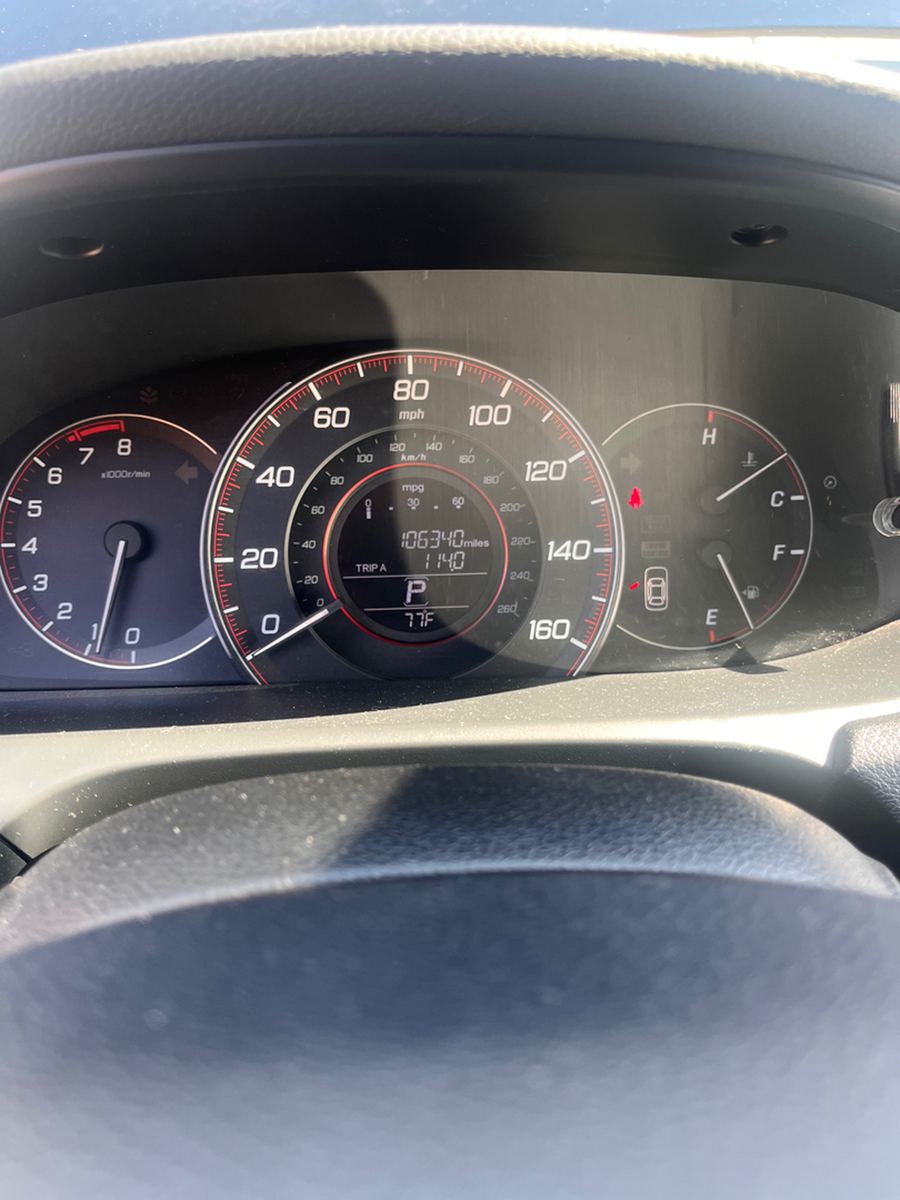
- The warning light lies. The check engine light should come on with the key on, then go out once the engine runs. If it never lights, someone may have hidden it. If it stays on, there's an active fault.
- Coolant and oil are mixing. Milky oil, oil in the coolant, or white smoke that smells sweet points at a head gasket. Read our head gasket signs before you argue with that one.
- The frame was repaired. Welds, kinks or fresh paint on the frame rails and subframe mean a hard hit. Our frame damage guide shows the six spots.
- It was under water. Damp carpet, silt in the seat tracks, or rust on seat bolts and under the dash. Water damage keeps showing up for years.
- The miles don't add up. A worn pedal, a shiny wheel and a low odometer don't belong together. Neither do service records that go backward. See how a rolled back odometer gets caught.
The monitors deserve a closer look, because they're where California rules help you most. The Bureau of Automotive Repair sets the smog test rules. On a gas car from 2000 or newer, only the evaporative system monitor may be incomplete. On a 1996 to 1999 car, any one may be incomplete (BAR, OBD Test Reference). The same page fails a car whose check engine lamp won't light at key on, or stays lit with the engine running.
So if a scan shows three monitors not ready on a 2015 car, that car can't pass smog today. Clearing codes resets the monitors, and they take driving to set again. That's why a fresh clear shows up even when the dash looks clean. Our page on how sellers hide a check engine light goes deeper.
A flashing check engine light is worse than a steady one. Consumer Reports says a blinking light needs attention right away. On newer cars it usually means a severe misfire that can quickly damage the catalytic converter (Consumer Reports, What Does the Check Engine Light Mean). Don't road test a car with a flashing light. Don't buy it either.
Paperwork flags need a title check, not just a history report. NMVTIS, the federal title system, shows a car's brand history, its latest reported odometer readings and salvage calls by insurers. It also warns that a clean report isn't always a complete one, since reporting has gaps (NMVTIS, Consumer Access). Our guide to reading a vehicle history report covers what each line means.
Findings That Lower the Price
This pile is where your inspection pays for itself. Each item has a cost, and you can ask for it.
| Finding | Why It Is Not a Red Flag | Ask For |
|---|---|---|
| Tires near the wear bars or past six years old | Known part, known price | A set of tires off the price |
| Thin brake pads or lipped rotors | Normal wear | The brake quote off the price |
| Light oil seep at a valve cover | Slow, cheap gasket | The gasket job off, if it drips |
| Split CV boot throwing grease | Caught before the joint wears | The boot or axle quote |
| Weak battery on the load test | A wear part | A battery off the price |
| Hazy headlights, worn wipers | Cosmetic or cheap | Nothing, or a small round number |
Get a written quote for each one. A number on shop paper moves a seller. A guess doesn't. Our page on what four brake pads should cost gives you a fair range to start from.
One finding sits between piles. A transmission that slips, flares or shudders on the road test. Some causes are cheap. Some mean a new transmission. Until a shop names the cause and prices it, treat it as a walk away. On a CVT, our CVT problems guide covers what the shudder means.
What 66 Buyers Paid to Find the Flags
Paid PPI Auto inspections, August 21 to October 24, 2026, by price.
Those counts are ours. They come from PPI Auto invoices for 66 paid inspections, and the median was $225. That's the same figure on our inspection cost page. One price talk on worn tires or brakes often covers it.
Read Your Report in Ten Minutes
A long report can bury the one line that matters. Read it in this order.
- Start with the scan. Look for stored, pending and permanent codes, and the monitor status. Not ready on a newer car is your first question.
- Then the frame and underbody photos. Welds, kinks and fresh undercoating come before anything cosmetic.
- Then fluids. Milky oil or a low, dirty coolant tank moves to the top.
- Then the road test notes. Shifts, brakes, pulls and noises.
- Then the paperwork check. VIN, title brand and odometer, side by side.
- Last, the wear list. Total it up. That's your price talk.
Call your inspector before you call the seller. Ask one thing. Would you buy this car at this price? A good inspector will tell you straight.
A history report can't do this job. The FTC says one may list accidents and flood damage, but it typically won't list mechanical problems. It's not a substitute for an independent inspection (FTC, Buying a Used Car From a Dealer).
Verified Against
- California DMV, Smog Inspections
- California Bureau of Automotive Repair, OBD Test Reference
- National Motor Vehicle Title Information System, Consumer Access
- Federal Trade Commission, Buying a Used Car From a Dealer
- Consumer Reports, What Does the Check Engine Light Mean
- PPI Auto price study, 66 paid inspections, August 21 to October 24, 2026 (our own data)
We find the flags on the seller's driveway or the dealer's lot, before money changes hands. See our used car inspection.
Real Questions From Real Calls
What are red flags during a pre-purchase inspection?
What should make you walk away from a used car?
Can I negotiate after a bad pre-purchase inspection?
What if the car can't pass smog in California?
Does a clean history report mean no red flags?
What does not ready mean on a used car scan?
Buying a vehicle? Let us check it first.
Call 951-267-8500