Odometer Rollback vs Real Miles, the Records That Catch It
 By Anthony LimpertASE Business Built With Master Automotive Technicians
Carfax counts 2.45 million cars on the road with rolled back odometers. Eight checks that catch fake miles, the module scan, and what the law gives you.
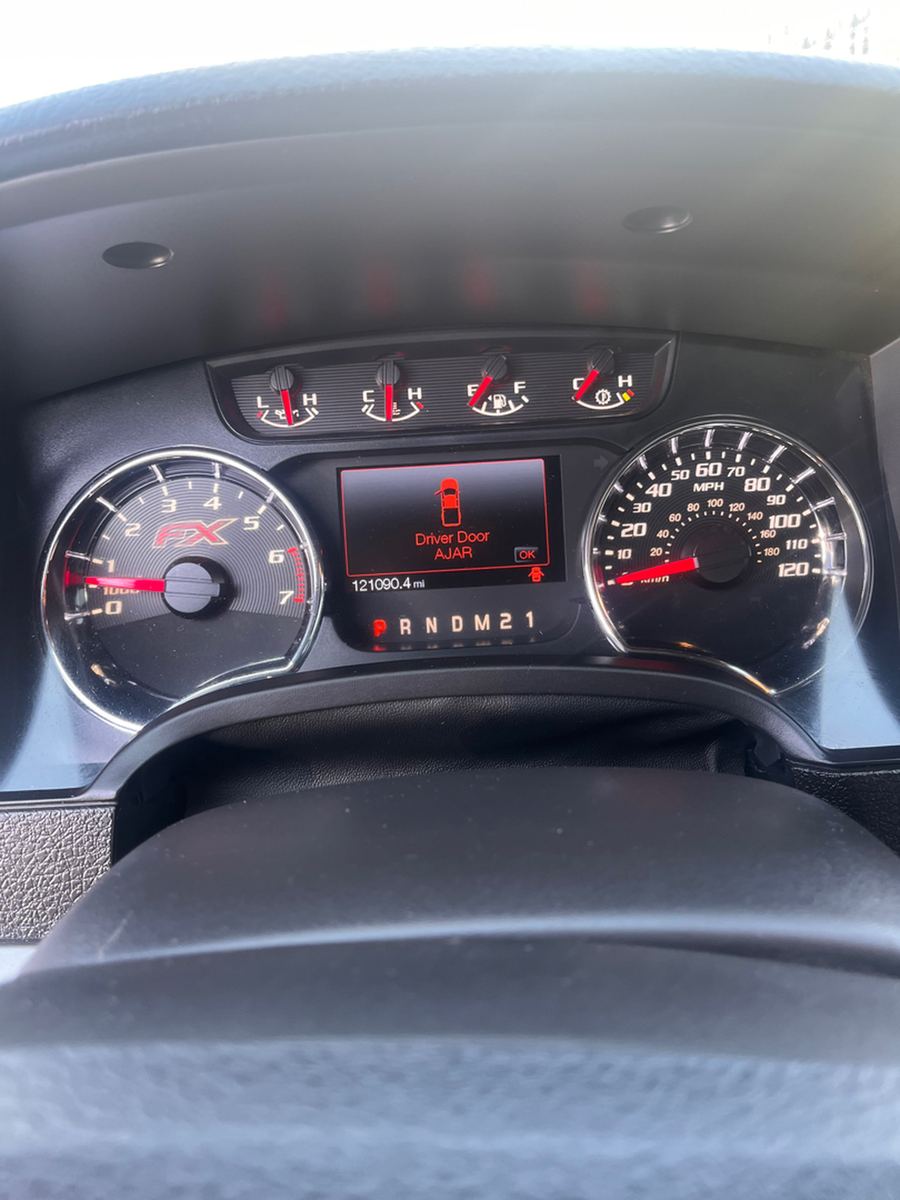
We inspect a lot of used cars. Before we touch the engine, we take a photo of the dash at key on. The warning lights, and the miles. That number is what the whole deal is priced on, and it is the easiest number on the car to fake.
People think digital odometers ended the old rollback trick. They did not. They made it quieter. You can still tell if the miles are real, before your money is gone.
Plain and Simple
Compare the miles on the dash with every other record of the car's miles. The title, the history report, service receipts and oil change stickers. Then check that the wear fits the number. Worn pedals, a shiny wheel or old tires on a low mile car are red flags. Last, have a scan tool read the miles stored in the car's other computers. If they do not match the dash, walk away.
- Carfax counted more than 2.45 million cars on the road with rolled back odometers, up 14 percent in a year.
- California has the most, at 532,200 cars.
- Digital odometers can be changed in minutes with a cheap tool plugged into the dash port.
- Many cars keep a copy of the miles in other computers that the dash tool does not touch.
- Cars from model year 2010 and older skip the federal mileage statement when they are sold.
- If you were cheated, federal law lets you sue for three times your loss or $10,000, whichever is more. You have two years.
How a Rollback Works Today
On an old car with a mechanical odometer, a crook had to pull the dash apart and spin the numbers back. That left marks. Gaps between the digits, scratched screws, a numeral that sat crooked.
A digital odometer has no numbers to spin. The miles live in memory. A tool plugs into the port under the dash or into the cluster itself and writes a new number. Carfax says it takes con artists a matter of minutes to wipe thousands of miles off a car (Carfax, December 16, 2025). NHTSA says a tampered digital odometer is even harder to spot than a mechanical one, because there are no moving parts to look at (NHTSA).
It pays, which is why it keeps happening. Carfax data says a buyer who unknowingly gets a rolled back car loses about $3,300 in value on average, and that is before the overdue maintenance shows up (Carfax). NHTSA estimates more than 450,000 cars are sold each year with false odometer readings (NHTSA).
Where the Fake Miles Are
Carfax counted the cars on the road with rolled back odometers by state. These are the top ten from its December 16, 2025 count.
Rolled Back Cars on the Road
Top ten states. Carfax, December 16, 2025.
California alone has more than Florida, New York and Illinois put together. Carfax also flagged the fastest growth in Montana, up 33 percent, Tennessee, up 30 percent, and Arkansas, up 28 percent (Carfax). So a small market is not a safe market.
Eight Checks Before You Pay
Do these in order. The first four you can do from your phone before you drive out to see the car.
- Run the VIN. Get a history report and read every mileage line in order. The miles should climb in a steady line. A drop, or a long flat stretch with no new readings, needs an answer.
- Do the yearly math. Divide the miles by the car's age. A car that drove 15,000 miles a year for five years and then 2,000 a year after that is a story worth checking.
- Read the title. NHTSA says to compare the mileage written on the title with the dash, and to look hard if the title number is smudged or hard to read. Look for the words actual mileage, exceeds mechanical limits, or not the actual mileage.
- Ask for the receipts. Oil changes, tires, state inspections. Every receipt has a mileage on it. One receipt with more miles than the dash ends the conversation.
- Hunt the stickers. Oil change stickers live on the windshield, the door frame, in the glove box and under the hood. Look at the left door frame too. When an odometer is repaired or replaced and cannot keep the old number, federal law says it gets set to zero and a notice with the old mileage and the date goes on the left door frame (49 U.S.C. 32704).
- Look at the tires. NHTSA says a car showing 20,000 miles or less should still have its original tires. A set of new tires on a 19,000 mile car needs a reason.
- Match the wear. Gas, brake and clutch pedals, the steering wheel, the driver's seat bolster, the carpet under your heel. A low mile car should look like one.
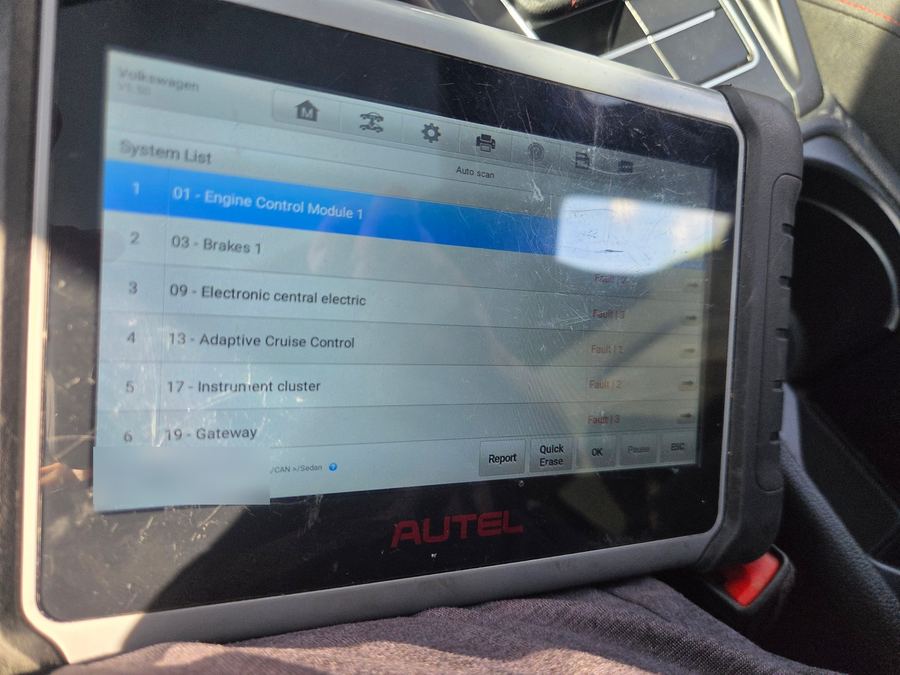
- Scan the modules. Have a shop or an inspector read the miles stored in the car's other computers and compare them with the dash. More on this below.
The Module Check Most Buyers Never Hear About
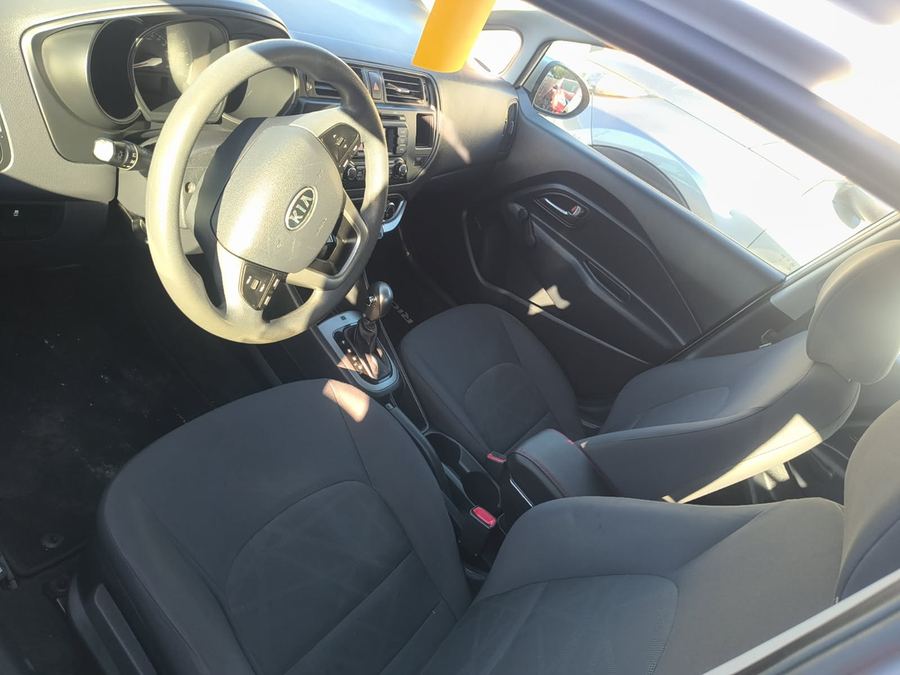
A seller with a rollback tool hopes you skip this check. On many newer cars the dash is not the only place the miles live. The engine computer, the transmission computer and the body computer can each keep their own count. Some tools change the dash and leave the rest alone.
A good scan tool lists every module on the car and can read what each one stored. Say the engine computer reads 141,000 and the dash reads 62,000. That is a worked example, and it is the whole answer. The scan also reads two standard OBD-II counters, the distance driven with the check engine light on and the distance driven since the codes were last cleared (OBD-II PID list, PIDs 21 and 31). Those two will not prove a rollback on their own. But a car that was just cleared deserves a closer look, and our post on how sellers hide a check engine light explains why.
Be fair about what the scan can and cannot do. Not every car stores miles outside the cluster. A careful crook can change more than one module. And a dash that was replaced the legal way can read low for a good reason, which is what the door frame notice is for. A match is good news. A mismatch with no paperwork is a walk away.
What Each Check Catches
No single check is enough. Each one is good for something, and each one falls short somewhere.
| Check | What It Catches | What It Misses |
|---|---|---|
| History report | A drop or a flat stretch between reported readings | A rollback done before any reading was reported |
| Title | A mileage that does not match, or a not actual mileage warning | Older cars that skip the statement |
| Receipts and stickers | A higher mileage written down in the past | A car with no records at all |
| Tires and wear | A car that looks older than its miles | A car cleaned up with new pedal pads and seat covers |
| Module scan | A dash changed while other computers kept the real count | Cars with no second copy, or a rollback done to every module |
| Inspector's eye | Parts worn far past what the miles allow | Nothing on its own. It works with the rest |
Carfax gives a good example of the last row. If a car's spark plugs and wires are built to last 100,000 miles and they look worn out at 40,000, something does not add up (Carfax).
Low Miles Sell Cars
We grade car dealers across the country in our dealer directory, and we looked at what buyers talk about in their reviews. Low miles is a selling point. Low mileage is a review topic at 509 of the 40,276 dealer listings in our directory, as of September 24, 2026. That is our own data.
Only 16 listings have buyers bringing up the odometer itself, odometer fraud, or a mileage that did not match. All 16 are used car lots. Of the nine that carry a grade, five are graded F. Across the whole directory, about one graded lot in six is an F. Sixteen lots is a small number, and most rollbacks never end up in a review because the buyer never finds out. But when buyers do find out, it shows up at the worst graded lots.
Before you go, look the lot up. Our guide to the signs of a bad car dealer shows what to watch for in the reviews.
The 2010 Mileage Statement Exemption
When a car changes hands, federal law says the seller has to write the mileage on the title and say if it is real, past the odometer's limit, or not the actual mileage (49 CFR 580.5). Some cars are exempt.
The top ranking guide on this question says the exemption covers cars 20 model years or older, which it puts at 2005 and earlier. That is not what the rule says today. Under the federal rule, any car from model year 2010 or older is exempt once it is ten years past its model year. Cars from 2011 and newer stay covered for 20 years (49 CFR 580.17). NHTSA's own page says the same, that a model year 2010 vehicle or older is exempt.
So in 2026, a 2008 Tacoma or a 2010 Civic can be sold with no mileage statement at all. Those are exactly the cheap, older cars where a few thousand fake miles move the price. On those cars, the receipts, the stickers and the wear are all you have. Trucks with a gross weight rating over 16,000 pounds are exempt too.
If You Already Bought It
Rolling back an odometer is a federal crime. The law bars anyone from disconnecting, resetting or changing an odometer to change the miles it shows (49 U.S.C. 32703). A conviction can bring up to three years in prison (49 U.S.C. 32709). California has its own law against turning back or resetting an odometer (California Vehicle Code 28051).
For you, the part that matters is the civil side. A person who breaks the odometer law with intent to defraud owes three times your actual damages or $10,000, whichever is more. The suit has to be filed within two years (49 U.S.C. 32710).
- Keep the title, the bill of sale and the ad. The mileage written on them is your proof.
- Get the module scan done and keep the printout.
- Pull every service record you can find with a higher mileage.
- Call your state's enforcement agency. NHTSA sends single cases there. For a large scheme, call NHTSA's Vehicle Safety Hotline at 888-327-4236.
- Talk to a lawyer. NHTSA cannot sue for you, and the two year clock is running.
Wear Signs Are Not Enough
A lot of advice gives you a list of wear signs and a link to a history report. That list was written for mechanical odometers. On a digital car the dash will look perfect. No scratches, no crooked numbers.
The checks that still work are the ones that compare the dash with a record the crook did not touch. A receipt in a glove box. A sticker on a door frame. A count in the engine computer. Wear on a pedal. The more of those you line up, the harder the fake is to hide.
A report alone is also not enough. It only knows what was reported to it. Our guide to reading a vehicle history report covers what it can miss, and our guide to good mileage for a used car covers what the real number should be.
Buying a Used Car Soon?
PPI Auto inspects used cars for buyers in all 50 states. Every report includes an odometer cross check, a full scan and a road test. See what a used car inspection covers, or check what an inspection costs.
Verified Against
- NHTSA, Odometer Fraud
- Carfax, Odometer Rollback Is On The Rise, Patrick Olsen, December 16, 2025
- 49 U.S.C. 32703, Preventing Tampering
- 49 U.S.C. 32704, Service, Repair, and Replacement
- 49 U.S.C. 32709, Penalties and Enforcement
- 49 U.S.C. 32710, Civil Actions by Private Persons
- 49 CFR 580.5, Disclosure of Odometer Information
- 49 CFR 580.17, Exemptions
- California Vehicle Code 28051
- OBD-II PIDs, Service 01 PIDs 21 and 31
- PPI Auto dealer directory, 40,276 dealer listings, September 24, 2026 (our own data)
Real Questions From Real Calls
Can digital odometers be rolled back?
How do I check if the mileage on a car is real?
Can you legally roll back an odometer?
Can someone tamper with a digital odometer?
What happens if I bought a car with a rolled back odometer?
Does a pre purchase inspection check the odometer?
Buying a vehicle? Let us check it first.
Call 951-267-8500