Lemon Law Buyback Cars Are Worth It With These Four Papers
 By Anthony LimpertASE Business Built With Master Automotive Technicians
What a Lemon Law Buyback title means in California, the four papers that make one safe to buy, the decal to look for, and when to walk.
- A Lemon Law Buyback is a car the maker took back because it couldn't fix a defect.
- In California, the title says so forever, and a decal goes on the driver's door frame.
- The seller must hand you a signed notice that lists each problem and each repair.
- The maker must fix the defect and warrant it in writing for one year.
- A buyback with all four papers can be a fair buy. One with a vague defect list is not.
California has a law just for this car. It's called the Automotive Consumer Notification Act. It says a maker that takes back a lemon must retitle it in its own name, have the DMV write Lemon Law Buyback on the title, and put a decal on the car (California Civil Code 1793.23). The Legislature wrote it because lemons were being shipped into the state after other states' warnings fell off the title.
So in California, a buyback is the one used car that has to tell you what went wrong with it. We think that makes it less of a gamble than it sounds, as long as you get the paperwork and read it.
What the Brand Means
A car becomes a lemon in California after the maker fails to fix the same defect in a reasonable number of tries. The law presumes that point is reached within 18 months or 18,000 miles if one of three things happens (California Civil Code 1793.22).
- A defect that could kill or seriously hurt someone was repaired two or more times.
- The same defect was repaired four or more times.
- The car sat in the shop for more than 30 days total for repairs.
Once the maker buys the car back, the DMV brands the title. Cars taken back on or after January 1, 1996 read Lemon Law Buyback. Older ones read Warranty Return, and some registration cards shorten that to WARNTY RET (California DMV). The DMV also brands cars that come in from another state with a similar mark.
The brand never comes off. It warns every buyer after you, so plan on it when you sell.
The Four Papers to Ask For
These four turn a scary label into a known car. Ask for all of them before you drive it.
- The title and registration. Both should read Lemon Law Buyback. The DMV says the carmaker always shows up in the chain of owners, so a maker's name on the history is a tell.
- The signed notice. It's a letter size form the maker fills out. It lists the year, make, model and VIN, each problem the first owner reported, and each repair tried (California Civil Code 1793.24). You sign it before the sale.
- The one year warranty. The law bars resale unless the defect is fixed and the maker warrants in writing for one year that the car is free of it. The branded box on the form says so in print.
- The repair orders. The notice says what was fixed. The dealer's repair orders show how, with part numbers and dates. Ask for them by VIN.
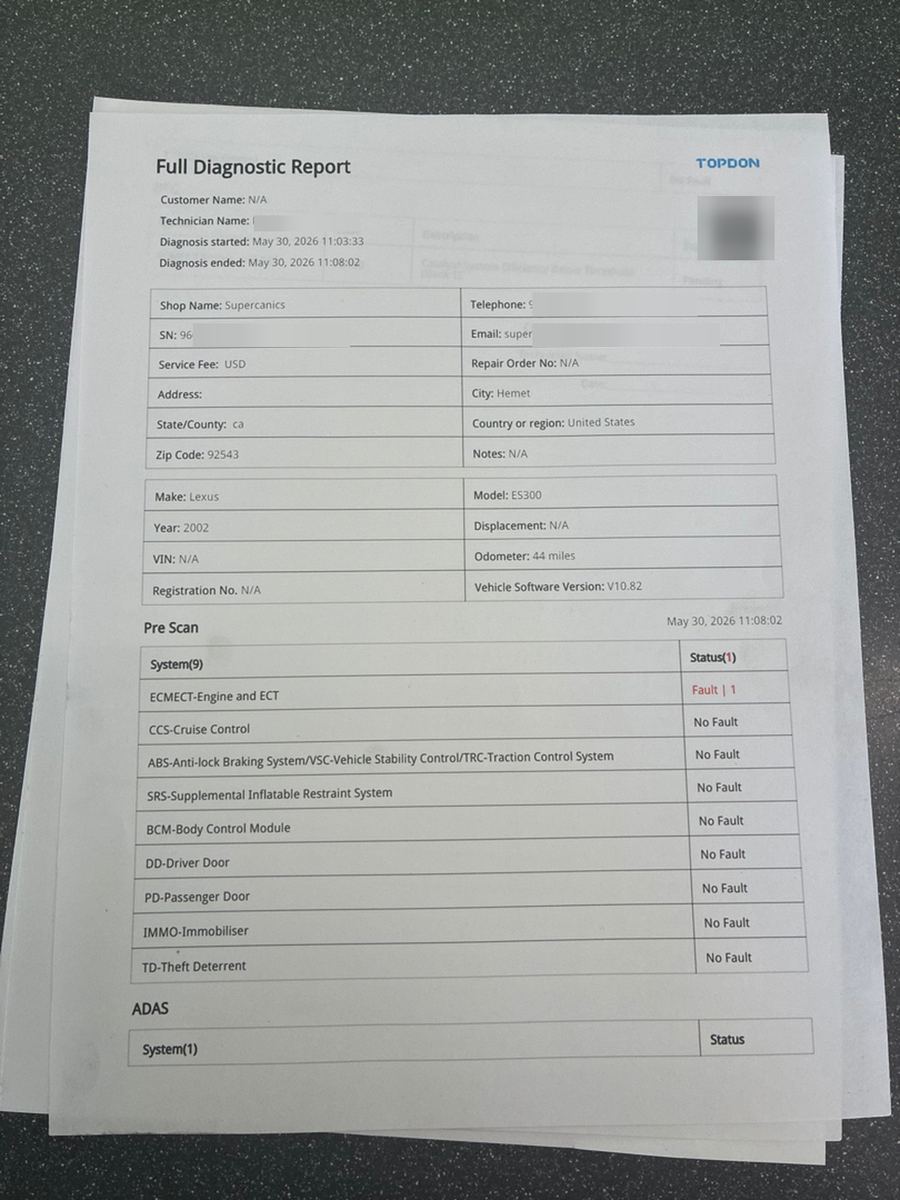
Read the problem line closely. Brakes that pulsed, fixed with new rotors, is a small story. An intermittent electrical fault with no clear repair is a big one. A problem the first owner fought for 18 months can come back for you.
How to Spot One Nobody Mentioned
The DMV gives buyers three checks. Look for the decal. Read the title and registration. Ask the seller straight out.
The decal goes on the left front door frame. On a motorhome with no left door, it goes on the main entry door frame. On a motorcycle, it goes somewhere easy to see on the left side. The law bars anyone from knowingly peeling it off or changing it (California Vehicle Code 11713.12).
A missing decal doesn't clear the car. A door frame can be repainted. So run the VIN too. The federal title database, NMVTIS, reports a car's brand history and current title (NMVTIS). But it doesn't change any state's labels, so one state may brand a car that another state won't.
That gap is where lemons slip through. A car bought back in a state with weak rules can be sold with a clean looking title somewhere else. California's law reaches cars bought back in any state, but it can only bite when someone knows. Look for a carmaker listed as an owner on the history report. The guide to reading a vehicle history report shows where the owner list sits.
Some buybacks never get the brand at all. When a maker takes a car back because the owner asked, the seller still owes you the signed notice. The form has a separate box for that case. Branded or not, the notice is your proof of what went wrong.
What Buyers Say About Lemon Lots
The PPI Auto dealer directory grades used car lots from their reviews. It tracks 35,341 used lots, and 16,252 have enough reviews to grade, as of September 24, 2026. That is PPI Auto's own data.
Where Buyers Say Lemon
Share of graded used lots. PPI Auto dealer directory, September 24, 2026.
Reviewers use the word lemon at 551 used lots. Of the 458 with a grade, 70 percent earn an F, against 19 percent of all graded used lots. Just 1 percent earn an A. In California, 42 of those lots have a grade, and 71 percent are an F.
The word in a review means a buyer felt burned. It doesn't mean the car had a branded title. The buyback with a signed notice told you its story up front. The lemon to fear is the one that didn't. The guide to checking out a car dealer shows how to read a lot's reviews before you go.
Buy It, Price It, or Walk
Line up the papers, then pick one.
- Buy it. All four papers, a single clear defect with a clear repair, time left on the one year warranty, and a clean inspection of the system that failed.
- Price it. The papers are there, but the warranty has run out or the car has changed hands. You carry the risk now, so the price should show it. The brand will cost you again when you sell.
- Walk. No notice, a vague problem line, an electrical fault that came back more than once, or a seller who gets cagey when you ask. Same if the history shows a carmaker as an owner and nobody says why.
Sold as is doesn't erase the duty. Civil Code 1793.22 bars any resale of a lemon unless the defect is disclosed, fixed and warranted. The guide to as is used car sales covers what that sticker does and doesn't waive.
Verified Against
- California Civil Code 1793.23, Automotive Consumer Notification Act
- California Civil Code 1793.24, buyback notice form
- California Civil Code 1793.22, Tanner Consumer Protection Act
- California Vehicle Code 11713.12, buyback decal
- California DMV, Vehicle Industry Registration Procedures Manual 2.040, Lemon Law Buybacks and Warranty Returns
- National Motor Vehicle Title Information System, Consumers
- Federal Trade Commission, Buying a Used Car From a Dealer, April 2024
- PPI Auto dealer directory, 35,341 used car lots, September 24, 2026 (our own data)
We check the system named on a buyback notice first, then the rest of the car. See what a used car inspection covers, or check what an inspection costs before you sign that notice.
Real Questions From Real Calls
What does a buyback lemon title mean?
Should I buy a lemon law buyback car?
How do I know if a car is a lemon buyback?
Can a dealer sell a lemon without telling you?
Is a manufacturer buyback the same as a lemon?
Does the one year warranty cover the whole car?
Buying a vehicle? Let us check it first.
Call 951-267-8500