Certified Pre Owned Cars Still Need Their Own Inspection
 By Anthony LimpertASE Business Built With Master Automotive Technicians
Author Source EEAT Authors · Anthony's Author Page
A 160 or 182 point dealer check is a good start, not a clean bill. California law, the FTC recall cases and our dealer data on what a CPO buyer should check.
- In California a dealer can't sell a car as certified without handing you a completed inspection report first.
- The 160 or 182 point check is done by the dealer that is selling you the car.
- Certified cars have been sold with open safety recalls. The FTC settled cases over it in 2016.
- Dealer certified and factory certified are not the same thing. Ask whose name is on the warranty.
- The FTC says an independent inspection is a good idea even on a certified car. We agree.
California puts the CPO inspection report in writing. A dealer can't advertise or sell a used car as certified if it fails to give you a completed report, listing every part it inspected, before the sale (California Vehicle Code 11713.18). So in this state, the report isn't a favor. It's the price of using the word.
We inspect cars on dealer lots, and a certified car gets the same full check. That report is where our work starts, not where it ends. It tells you what the seller checked. It doesn't tell you what a second set of eyes would find.
What California Says Certified Has to Mean
The same law lists nine things that keep the word certified off a used car. Each one is a question you can ask before you sign.
| A Dealer Can't Call It Certified If | What You Ask For |
|---|---|
| The odometer was rolled back, altered or swapped for one with fewer miles | A history report with every odometer reading |
| The maker or a dealer bought it back under a warranty law | The title and any buyback notice |
| The title says Lemon Law Buyback, salvage, junk, nonrepairable, flood or a similar brand, from any state | The title itself, front and back |
| Impact, fire or flood damage still hurts its use or safety after repair | Repair records and a look underneath |
| The dealer knows or should know it has frame damage | A frame check by someone who isn't the seller |
| You don't get a completed inspection report before the sale | The report, on paper or by email, before you sign |
| The dealer disclaims the warranty of merchantability | The contract and the window sticker |
| The car is sold as is | The Buyers Guide in the window |
| The word is used in a way that is untrue or misleading | Whose program it is, in writing |
Every row comes from Vehicle Code 11713.18. A violation can be taken to court under the state's consumer laws, the same section says. The rule covers used cars and trucks. It doesn't apply to used motorcycles or off road vehicles.
Two rows matter most on a lot. A buyback can't be sold as certified, so read the lemon law buyback papers on any car with a branded title. And frame damage the dealer should have known about kills the label too. Our post on where frame damage hides shows the six spots to look.
What the 160 and 182 Point Checks Are
Each brand writes its own checklist. The selling dealer's techs work through it, fix what fails and sign off.
| Program | Checklist | What Comes With It |
|---|---|---|
| Toyota Certified Used Vehicles | 160 points in 19 groups, plus a CARFAX report | 12 month or 12,000 mile comprehensive, 7 year or 100,000 mile powertrain |
| HondaTrue Certified | 182 points with a report you can download. 2021 and newer, under 80,000 miles | 7 year or 100,000 mile powertrain, 2 more years or up to 100,000 miles non powertrain |
| GM Certified Pre Owned, as advertised in 2016 | 172 point inspection and reconditioning | Quoted in the 2016 FTC complaint |
| Lithia dealer warranty cars, as advertised in 2016 | 160 checkpoint inspection | 60 day or 3,000 mile dealer warranty |
Toyota and Honda figures come from their own program pages as of November 2026 (Toyota Certified, HondaTrue Certified). The GM and Lithia lines are quoted in the FTC press release of January 2016.
Toyota's 19 groups run from brakes and steering to the frame, the underbody and the emissions check. Hybrid and fuel cell parts get their own lines. That's a real list. The count just isn't the point. A box marked pass on brake pads says they met a minimum. It doesn't say how many miles are left.
Certified Cars Have Been Sold With Open Recalls
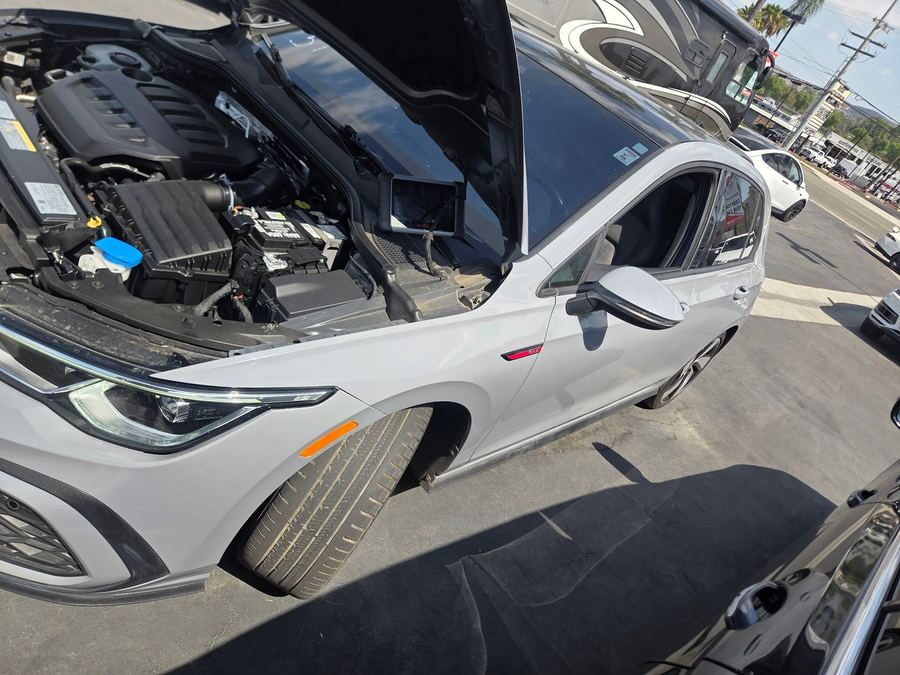
In January 2016 the FTC settled with General Motors and two big dealer groups, Jim Koons and Lithia Motors. Each had touted how hard it inspected its used cars. Each, the FTC said, failed to disclose that some of those cars had unrepaired safety recalls (FTC).
These weren't small recalls. The complaints named a key ignition switch defect that can affect engine power, steering, braking and airbags. Others could cause a stall, a shutdown or a fuel leak. Under the orders, which run 20 years, the three can't call a used car safe or rigorously inspected unless it's free of open recalls or the recall is disclosed close to that claim.
A disclosure isn't a repair. So check the VIN yourself. NHTSA's lookup shows a plain line when the car is clear, 0 unrepaired recalls associated with this VIN (NHTSA). It has limits. Some brand new recalls aren't tied to every VIN yet, and recalls over 15 years old may not show. Run it the week you buy, not the month before.
Factory Certified vs Dealer Certified
A factory program is backed by the carmaker and sold through its franchised dealers. A dealer program is the store's own promise. The Lithia line in the table is that kind, a 60 day warranty with a 160 point check behind it.
Our own dealer data shows why the difference matters. The PPI Auto dealer directory grades lots from their public reviews. In the September 2026 snapshot it graded 20,253 lots. Franchised new car dealers, the only ones who sell factory CPO, grade an F 2 percent of the time. Used car lots grade an F 19 percent of the time.
Share of Lots Graded A
PPI Auto dealer directory, September 2026 snapshot.
The top bar is the surprise. At 53 graded used lots, reviews bring up a mechanic inspection or taking the car to a mechanic. Forty three percent of those lots grade an A. That's about double the 21 percent rate for used lots overall.
A topic coming up doesn't say which way the review went. The group is small too. Still, lots that welcome an outside mechanic tend to be the ones buyers rate well. A lot that fights the request is telling you something.
What the Dealer Check Leaves to You
The FTC puts it plainly. A history report usually won't list mechanical problems. A mechanical inspection is a good idea even if the car was certified and inspected by the dealer, and sold with a warranty or service contract (Federal Trade Commission, April 2024).
The reason is who pays. The tech who certified the car works for the store that profits from selling it. That doesn't make the check fake. It makes it one side's check. Your inspector works for you and has no car to sell.
Our own 122 point inspection looks at the things a CPO list can pass without comment.
- A cold start. Noises and smoke that a warm engine hides.
- A full scan. Stored, pending and permanent codes, so cleared codes show up.
- Paint depth. Thick paint on one panel points to body work the history report missed.
- Wear left, not just pass or fail. Pad and tire depth in numbers you can price.
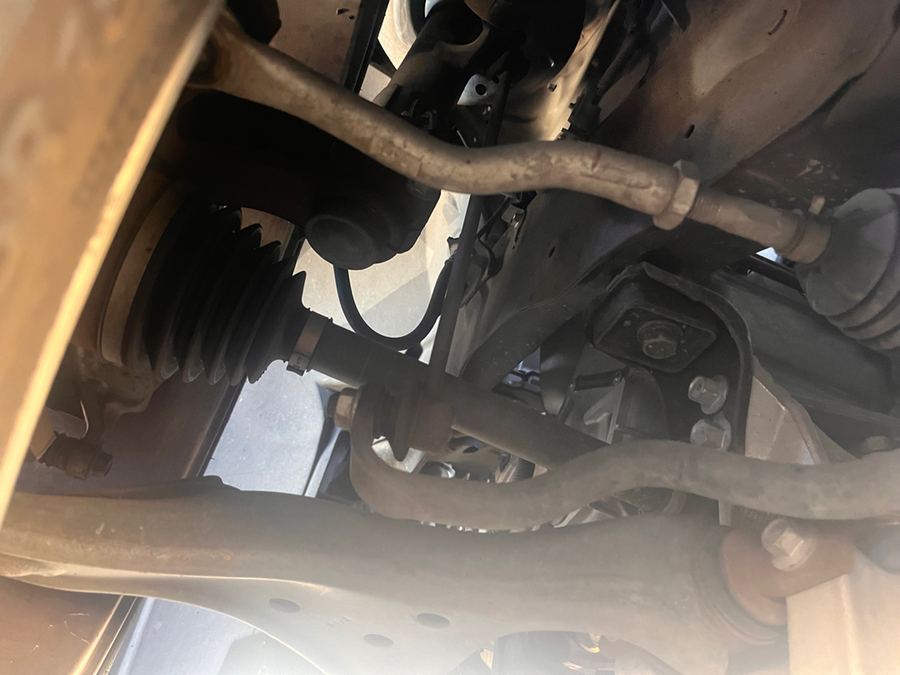
- Underneath. Leaks, subframe bolts and CV boots, on the car you're about to own.
There's a money angle too. A CPO price already includes the reconditioning. If your inspector finds a part near the end of its life, that's a fair reason to ask for a fix or a lower price before you sign. After you sign, it's a warranty claim at best.
Seven Checks Before You Sign a CPO Deal
Do these in order. The early ones cost nothing.
- Ask whose program it is. Factory or dealer. Get the name on the warranty in writing.
- Get the inspection report. In California, before the sale. Read what failed and what was replaced.
- Read the title. No buyback, salvage or flood brand, from any state.
- Run the VIN at NHTSA. Any open recall gets fixed before delivery, or you walk.
- Pull a history report. Check the odometer readings line up year to year.
- Book your own inspection. On the lot, before any paperwork.
- Know your exit. California gives used car buyers a short contract cancellation option on many deals.
That last step has its own rules on price and timing. Our post on returning a used car in California walks through them. The guide to what certified pre owned means covers the basics of each program.
You'll read car buying advice that says a CPO car can skip the mechanic, since the dealer already looked. The FTC disagrees, and so do the 2016 recall cases. A warranty pays for some repairs after the fact. An inspection keeps you out of the wrong car before you pay.
Verified Against
- California Vehicle Code Section 11713.18, Certified Used Vehicles
- Federal Trade Commission, GM, Jim Koons Management and Lithia Motors Settle FTC Actions, January 2016
- Federal Trade Commission, Buying a Used Car From a Dealer, April 2024
- National Highway Traffic Safety Administration, Check for Recalls
- Toyota Certified Used Vehicles, Vehicle Inspection and History
- HondaTrue Certified, Program Benefits
- PPI Auto dealer directory, 20,253 graded lots, September 2026 snapshot (our own data)
We inspect certified cars on the lot, in all 50 states, before you sign. Check what an inspection costs or call 951-267-8500.
Real Questions From Real Calls
Should I still get a pre purchase inspection on a certified pre owned car?
Does a certified pre owned car come with an inspection report?
Can a certified pre owned car have an open recall?
Is a dealer certified car the same as a factory certified car?
Can a lemon law buyback be sold as certified in California?
How many points is a CPO inspection?
Buying a vehicle? Let us check it first.
Call 951-267-8500