A Car Maintenance Log Won't Save You Without the Receipts
 By Anthony LimpertASE Business Built With Master Automotive Technicians
Author Source EEAT Authors · Anthony's Author Page
Federal complaints show owners denied over missing service records. What proof holds up, how a buyer checks it and where an app log fits.
- A log is a clue. A receipt is the proof. Keep both.
- We found 60 federal complaints from owners who say a claim stalled over missing records. 36 of them came in 2023 to 2025.
- At least 8 of those owners bought the car used. Some of the missing years came before they owned it.
- A California shop only has to keep your records for three years. Don't count on it for the early years of an older car.
- A tracker app helps when each entry carries a photo of the receipt. Then the proof is in your phone, not the glove box.
In California, a repair shop has to keep your invoice for at least three years (BAR Write It Right, January 2026). After that, the only copy may be the one in the glove box. On an eight year old used car, that changes what you can get. The shop may not be able to fill in the early years. A seller's word won't do it either.
So we went looking for what a missing record costs. We searched 945,039 federal safety complaints filed from 2011 to 2025, then read the matches by hand. We kept 60 where the owner says a warranty, recall or goodwill claim stalled or was denied over records they couldn't produce (our count of the NHTSA complaint file). These are owners' own accounts. Our search only catches some wordings, so treat 60 as a floor.
What a Missing Record Costs
The count is small next to all those complaints. The stakes aren't. Most of these are engines. One Kia owner says the warranty claim was denied for lack of oil records, and the bill was $3,800 (complaint 11183481). One Hyundai owner had seven years of oil records and says the claim was denied over the other two (complaint 11609830). A Ford owner lost every record in a house fire and says the claim was denied anyway (complaint 10437008).
Claims Stalled Over Missing Records
60 federal complaints by year filed. Our hand count of the NHTSA file.
Kia drew 23 of the 60 and Hyundai drew 22. Honda had 5 and Mazda had 3. Those counts aren't adjusted for how many cars each brand sold. Still, if you are shopping a used Kia or Hyundai, ask for the oil records before you ask for the price.
Used Car Buyers Inherit the Gap
A buyer can't fix this one later. At least 8 of the 60 owners bought the car used. One says the maker asked for records from before they owned the car. They had none, and the claim was denied (complaint 11253320). One says they kept every record while they owned it, then got hung up on a single oil change from the rental company that had the car first (complaint 11674746).
Another bought used and had the selling dealer do the service. That dealer couldn't produce the paperwork, and the recall repair stopped there (complaint 11655871). A warranty that transfers to you is only worth what the old records can back up. Get them before you pay, while the seller still wants something from you.
What the Law Gives You
The law is better than the service desk makes it sound. You don't have to use the dealer to keep a warranty alive. The FTC says it's illegal for a dealer to deny coverage because someone else did your routine maintenance or repairs. There is one exception. If the warranty pays for the work or parts, the maker can pick the shop and the parts (FTC, April 2024).
The same page tells you to keep records of oil changes, tire rotations, belts, brake pads and inspections, or your claim might be denied. So the right to use any shop doesn't remove the need for proof. Doing the work yourself is allowed, but you still need something to show for it. At least six owners in our count did their own oil changes, or had family do them, and had nothing to show.
Extended coverage can be tighter. The FTC says a service contract may require the maker's maintenance schedule, and skipping it can void the contract. Goodwill help is tighter still, since nobody has to give it. Three Honda owners in our count say goodwill was refused for lack of Honda dealer records.
Which Proof Holds Up
Not all records carry the same weight. The ratings in this table are our call from working on these cars, not a legal standard.
| What You Have | Who Can Back It Up | How Far It Goes |
|---|---|---|
| Shop invoice with date, miles and itemized work | The shop | Strong |
| Dealer service printout | The dealer | Strong, but only for that dealer's visits |
| Parts receipt plus a dated photo of the odometer | The store and you | Fair for your own oil changes |
| App log with a receipt photo on each entry | Whoever issued the receipt | As strong as the receipts |
| History report line | The report company | Good when it is there, proves nothing when it is not |
| Notebook or app log with no receipts | Only the person who wrote it | A clue, not proof |
Don't lean on the history report alone. Carfax says its reports use only what is supplied to it, and that it doesn't have the complete history of every vehicle (Carfax). A blank spot may just mean the shop didn't report. It may also mean nobody did the work. Only paper settles that.
How to Check a Seller's Records
Ask for everything the seller has. Spread it out in date order. Then work down this list.
- Match the VIN on the paperwork to the car and to the registration.
- Read the miles in date order. They should only go up. If they don't, read how to tell if an odometer has been rolled back.
- Look at the gaps. An oil change every year on a car driven 15,000 miles a year doesn't add up.
- On a California invoice, look for the shop's BAR registration number, name, address and an itemized list with prices. The state requires them. A receipt without them gets a closer look.
- Call the shop with the VIN and the date. Ask them to confirm the visit. A California shop has to hold those records for three years (16 CCR 3358).
- Run the VIN on NHTSA's recall page, then check the records for the fix.
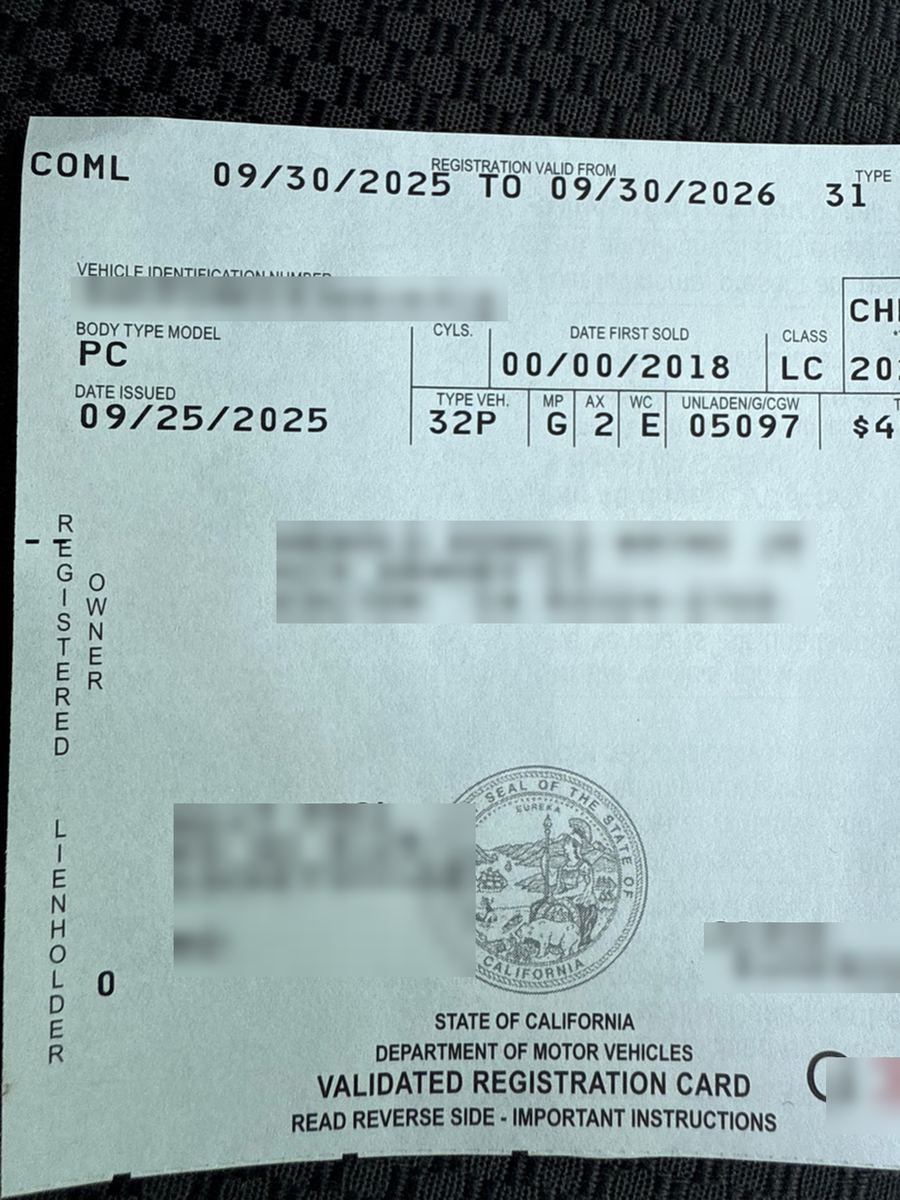
A thin file isn't an automatic no. Plenty of good cars were cared for by owners who toss receipts. It does change the price, and it changes how much weight the car itself has to carry. The FTC says it's always a good idea to pay an independent mechanic to inspect a used car, and that a history report doesn't replace that (FTC, April 2024).
Where a Phone App Fits
Paper gets lost. In our count, owners lost records to a move, a death in the family and that house fire. So a log in your phone makes sense, as long as you remember what it can prove.
One app built around this job is CarJourney, a maintenance and mod tracker for iPhone, Android and the web. The free plan covers one car, 12 maintenance records and 12 mod records a year, and one active share link. Pro is $5.99 a month, $39.99 a year or $99.99 one time. It adds unlimited cars and records, plus a receipt scan that fills in the service details from a photo. Reminders run by miles or time, like every 5,000 miles or every 6 months.
The handoff is what matters to a used car buyer. A seller can send a link that shows the car's maintenance, mods, costs and photos, and you don't need an account to open it. The seller can also transfer the car to another user by email, with the record attached. An export pulls the logs and photos out if you ever leave. That beats a shoebox of faded paper when it's time to sell.
If a seller sends you one of these links, treat it the way you'd treat any other record.
- Open the receipts behind the entries. A typed line is still just what someone typed.
- Save a copy of the page. The seller can turn a share link off or delete it.
- Run the recall check by VIN too. The app matches recalls by year, make and model, and a recall may only cover some cars from that year.
Start Your Own Paper Trail the Day You Buy
Your first entry should go in before your first oil change. Then the next buyer, or the warranty desk, gets a clean story from day one.
- Get every record from the seller at the sale, and photograph them that day.
- Make the first entry the date, the miles and your inspection report.
- Photograph each invoice before you leave the shop, and store it away from the car.
- Doing it yourself? Keep the parts receipt and take a dated photo of the odometer.
- Check the schedule against your own driving. See whether a car can go two years without an oil change.
Verified Against
- NHTSA, Consumer Complaint Flat File. Our hand count of complaints filed from 2011 to 2025.
- California Bureau of Automotive Repair, Write It Right, January 2026
- California Code of Regulations, 16 CCR 3358
- FTC, Auto Warranties and Auto Service Contracts, April 2024
- FTC, Buying a Used Car From a Dealer, April 2024
- Carfax, Vehicle History Reports
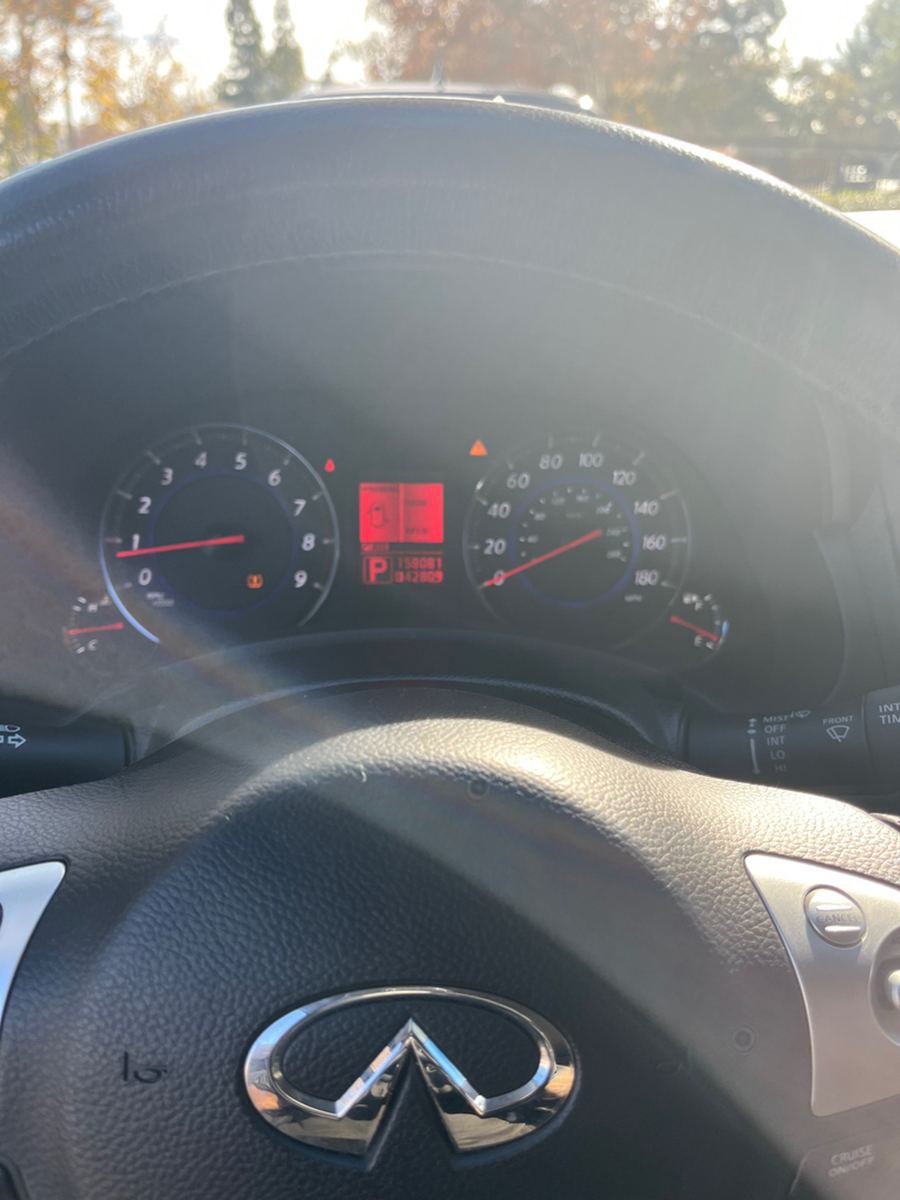
Records tell us what someone says was done. We go look at what the car says. See what a used car inspection covers, or check what an inspection costs.
Real Questions From Real Calls
What is a car maintenance log?
Can a dealer deny my warranty if I don't have service records?
How do I get maintenance records for my car?
Should I buy a used car with no service records?
Does Carfax show all maintenance?
What is the best way to keep car maintenance records?
Buying a vehicle? Let us check it first.
Call 951-267-8500