Pre Purchase Inspection for 2019 Honda CR-V
Check 2017 to 2018 1.5L turbo oil dilution work, the 2017 to 2022 braking investigation, and the fuel pump and steering recalls. We check the known trouble spots before you pay.
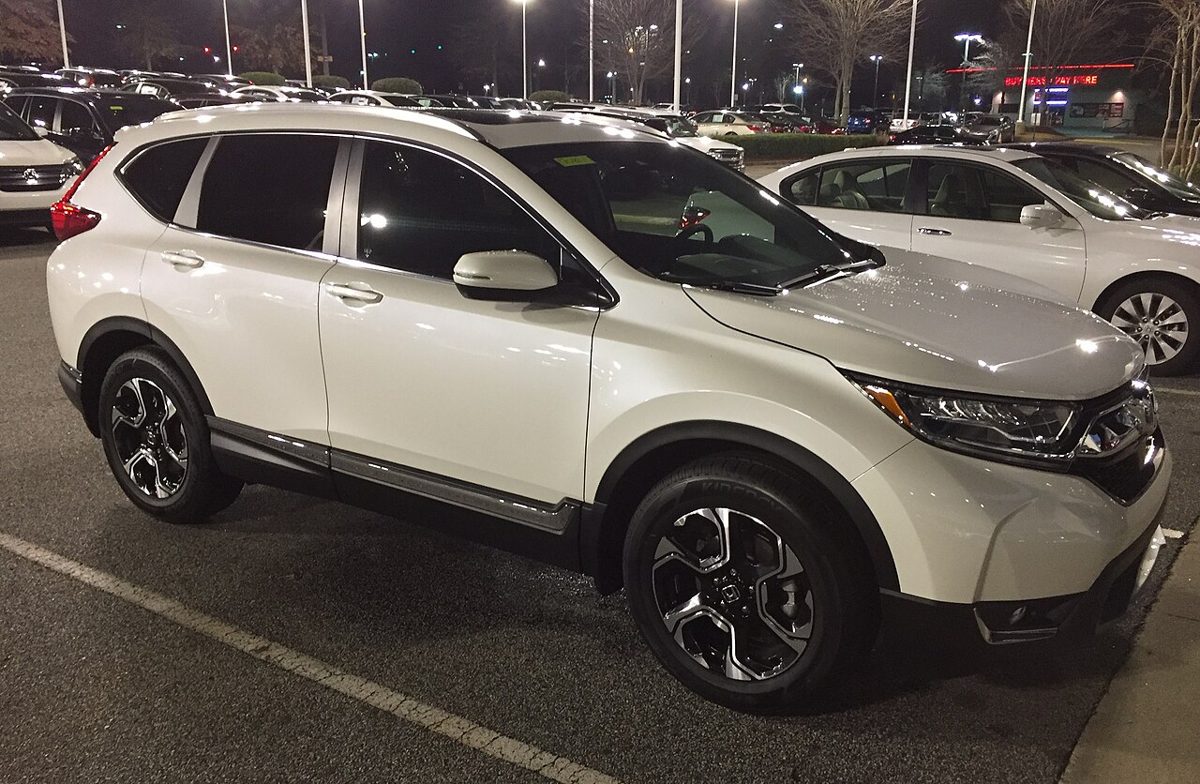
Buying a 2019 Honda CR-V? Smart move to check it first. The engine it has changes what matters most.
Transmission: CVT. Fifth generation. Last year for the 2.4L. Check the seat belt, fuel pump and seat weight sensor recalls.
- 2.4L 4-cyl (LX)
- 1.5L turbo
Consumer Reports says gas could seep into the engine oil on 2017 and 2018 CR-Vs with the 1.5L turbo, which can cause lack of power, misfires, engine noise and sometimes stalling, mostly in cold weather. Honda updated engine and transmission software on about 239,000 vehicles in 21 cold weather states, changed the oil, and extended the powertrain warranty by one year to six years with no mileage limit, covering the camshaft, rocker arms and spark plugs.
WE CHECK We check the oil level and smell it for fuel, scan for misfire codes, listen to the engine cold and warm, and read records for the software update.
SOURCE Consumer Reports: Honda extends warranty on troubled turbo engines
NHTSA opened investigation PE 22-003 in February 2022 after 278 complaints of the automatic emergency braking activating with nothing in the way on 2017 to 2019 CR-Vs and 2018 to 2019 Accords. TFLcar reported in April 2024 that NHTSA upgraded it to an engineering analysis covering about 3 million 2017 to 2022 CR-Vs and 2018 to 2022 Accords. We found no recall from it at the time of writing.
WE CHECK We road test with the driver aids on, scan the safety system modules for codes, and check the radar area on the front for damage or poor repairs.
SOURCE NHTSA ODI resume, investigation PE 22-003 · TFLcar: NHTSA expands Honda phantom braking probe (April 2024)
NHTSA recall 23V-858 covers many Honda models from 2013 to 2023, including certain CR-Vs in this span and 2020 CR-V Hybrids. The fuel pump inside the tank may fail and stall the engine while driving. Dealers replace the fuel pump module for free. It expands earlier recall 21V-215.
WE CHECK We check the VIN for an open recall and road test for hesitation, rough running or stalling.
SOURCE NHTSA recall 23V-858
NHTSA recall 23V-158 covers certain 2017 to 2020 CR-Vs. The front seat belt buckle channel may interfere with the release button and keep the buckle from latching. Dealers replace the buttons or buckles as needed, free.
WE CHECK We check the VIN for an open recall and latch and release both front seat belts several times.
SOURCE NHTSA recall 23V-158
NHTSA recall 26V-332 covers certain 2017 to 2022 CR-Vs and 2020 to 2022 CR-V Hybrids. The front passenger seat weight sensor may crack and short, which can make air bags deploy wrongly in a crash. Dealers replace the sensor for free.
WE CHECK We check the VIN for an open recall and check the passenger air bag indicator with the seat empty and occupied.
SOURCE NHTSA recall 26V-332
NHTSA recall 24V-744 covers certain 2023 and newer CR-V and CR-V Hybrid models. The steering gearbox may have been built wrong, causing too much internal friction and hard steering. Dealers replace the worm gear spring and add or redistribute grease, free.
WE CHECK We check the VIN for an open recall and feel for heavy, sticky or uneven steering on the road test.
SOURCE NHTSA recall 24V-744
NHTSA recall 24V-763 covers certain 2023 and newer CR-V Hybrids. The high pressure fuel pump may crack and leak fuel, which is a fire risk. Dealers inspect and replace the pump as needed, free.
WE CHECK We check the VIN for an open recall and look and smell for fuel leaks under the hood.
SOURCE NHTSA recall 24V-763
NHTSA recall 23V-844 covers certain 2020 to 2022 CR-V Hybrids. The 12 volt battery cable outside the frame is missing a fuse, so it can short or overheat in a crash. Dealers replace the cable for free.
WE CHECK We check the VIN for an open recall and look at the battery cable routing and any signs of past damage.
SOURCE NHTSA recall 23V-844
NHTSA recall 17V-442 covers certain 2017 CR-Vs. The fuel supply pipe may have been made wrong and can disconnect, stalling the engine and leaking fuel. Dealers replace the pipe for free.
WE CHECK We check the VIN for an open recall and check for fuel smell or leaks.
SOURCE NHTSA recall 17V-442
- Check the VIN for open recalls on every model year.
- Check the oil level and smell for fuel on 1.5L turbo models.
- Scan the engine, transmission and safety system modules for codes.
- Road test with the driver aids on to watch for sudden braking.
- Check the steering for heavy or sticky feel, especially on 2023 and 2024 models.
- Latch and release both front seat belts and check the passenger air bag light.
- Look for fuel leaks and fuel smell under the hood and at the tank.
A TSB is a note the maker sends to dealers about a known fix. They are not recalls. We check the bulletins so we know what to look for:
Cold-start noise, drivability, and idle issues for this vehicle. We test for each.
Shift quality and transmission fluid updates. We drive every gear.
Locks, wipers, infotainment, and trim items. Small, but good to know.
Counts are pulled from NHTSA's public Manufacturer Communications file. Full bulletins stay with the maker. We use the summaries to guide the inspection.
Found a 2019 CR-V? A pre purchase inspection checks these trouble spots on the car in front of you.
Does the Honda CR-V 1.5 turbo have oil dilution problems?
Is there a CR-V phantom braking recall?
What is the difference between the 2022 and 2023 CR-V?
What is the CR-V fuel pump recall?
Does the 2023 or 2024 CR-V have steering problems?
Which CR-V has the 2.4L engine?
We'll check it first
Pre-tagged for the 2019 Honda CR-V. One call and a tech is on it.
951-267-8500Call nowRequest a 2019 CR-V inspection
Pre-tagged for the 2019 Honda CR-V.
Buying a 2019 CR-V? Let us check it first.
Engine-specific checks, a live recall pull, and a clear report.