Timing Belt vs Chain on a Used Car Comes Down to One Receipt
 By Anthony LimpertASE Business Built With Master Automotive Technicians
Author Source EEAT Authors · Anthony's Author Page
Belt or chain on a used car, the receipt that proves the belt was done, Honda's 110 degree heat rule, chain stretch signs, and what to take off the price.
- A timing belt has a due date. A timing chain is meant to last much longer.
- On a belt engine, no receipt means you should treat the belt as never changed.
- A belt job runs about $500 to $1,000. Price that into the deal or have the seller do it.
- Honda tells V6 owners who drive in heat over 110°F to change the belt at 60,000 miles.
- A chain can still stretch when oil changes were skipped. Listen at a cold start and scan for timing codes.
Palm Springs averages a 108°F high in July and August (Current Results, NOAA normals for Palm Springs). That heat changes the timing belt math on some cars. Honda's 2013 Accord manual says V6 owners who drive in heat over 110°F, or who tow, should replace the timing belt every 60,000 miles (2013 Honda Accord owner's manual, maintenance sub items).
So a desert car at 80,000 miles can already be overdue. The seller may not know. We write this for the buyer, because a belt looks fine right up to the day it breaks.
Belt or Chain Changes the Whole Deal
Both parts do one job. They keep the crankshaft and the camshafts turning in step, so the valves open at the right time.
A belt is rubber. It wears out on a schedule. UTI puts the usual interval at 60,000 to 100,000 miles. A chain is metal and runs in oil. UTI says chains often last 150,000 to 200,000 miles or longer, but they still need care (Universal Technical Institute).
The stakes are high on many engines. Wikipedia's entry on timing belts notes that many modern cars use interference engines. On those, a failed belt lets the valves hit the pistons (Wikipedia, Timing belt). That turns a planned repair into an engine job.
| What You Find | What It Means | What to Do |
|---|---|---|
| Belt engine, receipt within the interval | The big job is done | Check the date and miles on the receipt. Buy on the rest of the inspection. |
| Belt engine, past the interval, no receipt | Assume the original belt | Take the job off the price, or have the seller do it first. |
| Belt engine, low miles but old | Rubber ages with time too | Read the manual for a time limit. Treat an old belt as due. |
| Belt engine, desert or towing car | The severe interval may apply | Use the short interval if the manual lists one. |
| Chain engine, quiet start, no codes | Normal | Ask for oil change records anyway. |
| Chain engine, rattle at cold start or a timing code | The chain or its guides may be worn | Get a quote before you buy, or walk. |
How to Tell Which One the Car Has
Don't guess from the brand. One model can carry a belt in one engine and a chain in the other.
- Read the maintenance schedule. A belt engine lists a line like replace timing belt. A chain engine has no such line.
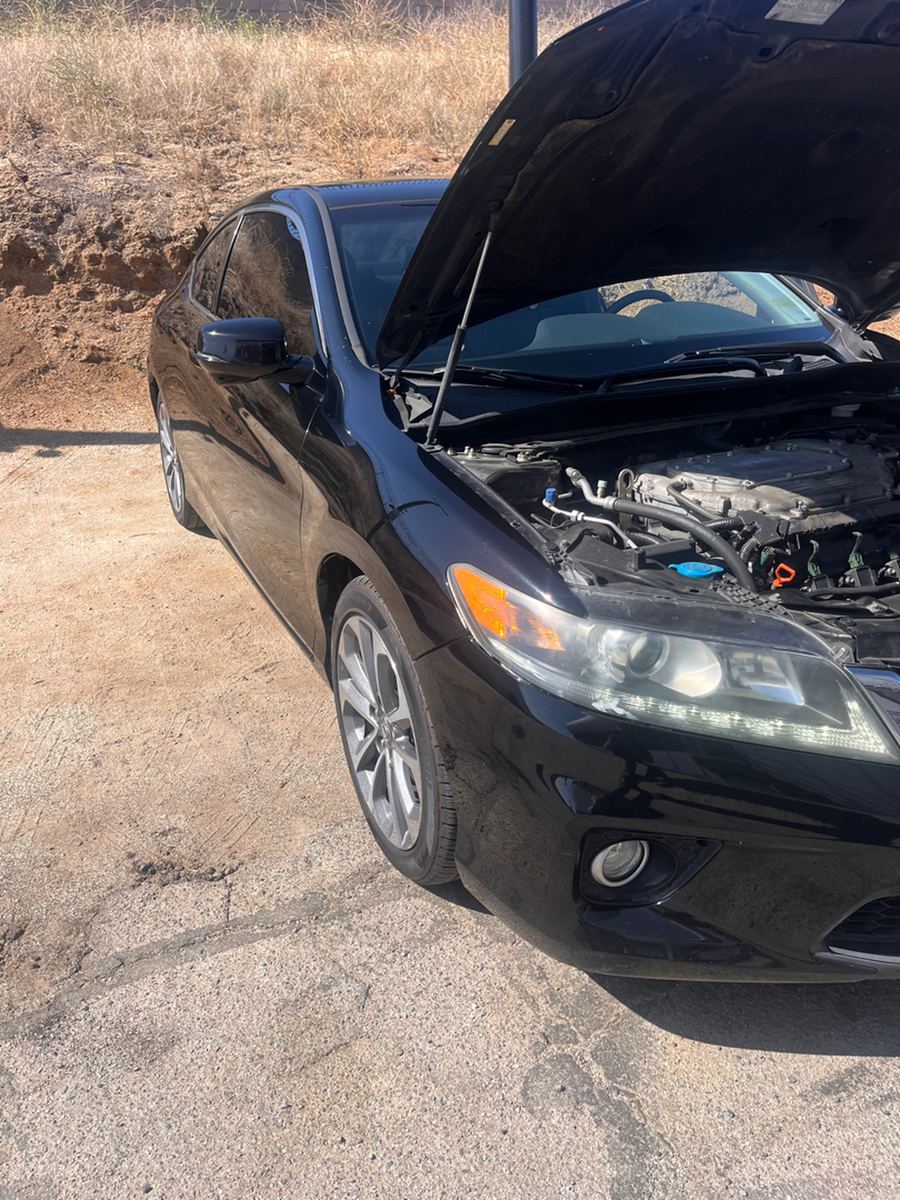
- Match the engine, not just the model. The 2013 Accord manual lists the belt for 6 cylinder models only.
- Look at the front cover. UTI says a metal timing cover usually means a chain, and a plastic one usually means a belt.
- Call a dealer with the VIN. The parts desk can tell you which engine the car left the factory with.
The Receipt Test for a Belt Engine
On a belt engine, the receipt is the whole story. A clean engine bay proves nothing.
- Ask for the invoice, not the story. It should show the date, the mileage, the car's VIN or plate, and the shop name.
- Read the parts lines. Belts are often sold in a kit with the water pump, tensioner and idler pulleys. A seized pump can break a new belt, so a full job lists them.
- Do the math from the receipt. Add the interval to the mileage on the invoice. That tells you when the next one is due.
- Ask where the car lived. Desert miles or towing can put it on the short interval.
- No paper means no job. A seller who says it was done but has nothing to show is giving you a guess.
How Far Each One Goes
Typical miles. UTI ranges, plus Honda's heat and towing rule for the 2013 Accord V6.
A Chain Is Not a Free Pass
Chains last longer. They do not last forever when oil changes slip.
Look at the model guides on this site. Four of the 25 used model guides flag a timing problem as a cost item. All four are chains, not belts. The early BMW N20, the Chevy 3.6 V6, the Equinox 2.4 and the F-150 3.5 EcoBoost. That count is PPI Auto's own, from the issue lists in those guides.
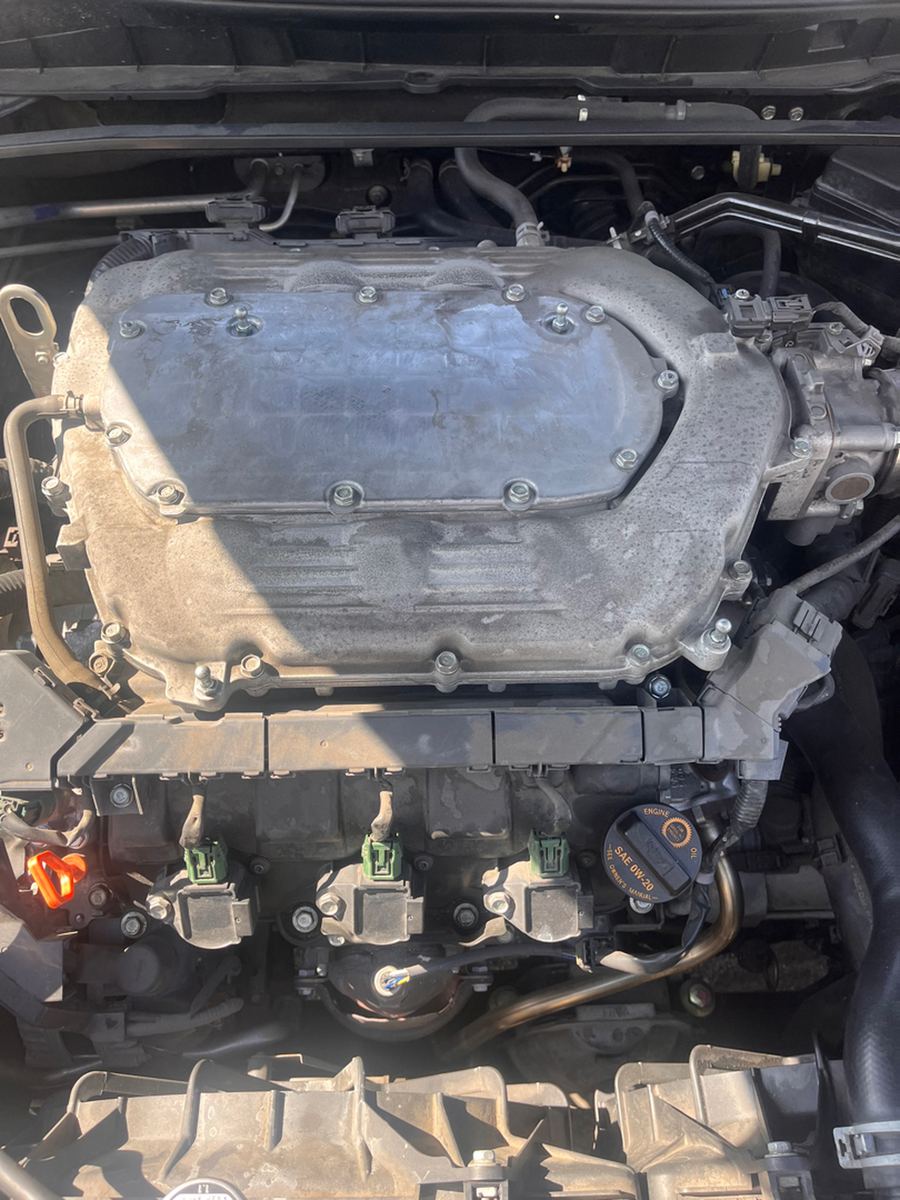
The warning signs are the same on most of them. Wikipedia notes a worn chain system makes a rattle from the front of the engine. A stretched chain can also set code P0016. That code means the crank and cam sensors don't agree, and a stretched chain is a listed cause (OBD-Codes, P0016).
- Start it cold. Ask the seller not to warm it up. A rattle for a second or more on start up is a red flag.
- Scan it. Look for timing and correlation codes, stored or pending.
- Pull the dipstick. Low or black oil hints at the habits that wear chains.
- Ask for oil records. On a chain engine, they matter as much as a belt receipt.
A cleared code can hide this. The post on how sellers hide a check engine light shows what that looks like on a scan.
What to Take Off the Price
Use real numbers when you talk price. UTI puts a timing belt job at about $500 to $1,000, often with the water pump, idlers and tensioner. It puts chain service at $1,000 to $2,500 or more, because of the labor to reach it.
Say the car is a belt engine at 110,000 miles with no receipt. You can ask the seller to do the job first. Or you can ask for the cost of the job off the price. Get a written quote from a shop near you so the number isn't yours alone.
A chain that rattles is a different talk. You don't know yet if it is the chain, the guides or the tensioner. The FTC tells buyers to get a written report from the mechanic with a cost estimate for needed repairs (FTC, Buying a Used Car From a Dealer). Bring that estimate to the table, or walk.
Sold as is? The FTC says as is means the dealer won't pay for repairs after the sale. So every timing question has to be settled before you sign. The guide to as is used car sales covers the rest of that sticker.
Verified Against
- 2013 Honda Accord Sedan owner's manual, Maintenance Minder sub items and footnotes
- Universal Technical Institute, Timing Belt vs. Timing Chain, updated April 15, 2026
- Wikipedia, Timing belt (camshaft)
- OBD-Codes, P0016 crankshaft and camshaft position correlation
- Federal Trade Commission, Buying a Used Car From a Dealer
- Current Results, Palm Springs temperatures by month, NOAA 1991 to 2020 normals
- PPI Auto model guides, 25 used models, timing issues counted from each guide's issue list (our own data)
We start every engine cold, scan it, and ask for the timing paper before you pay. See our used car inspection, or see what an inspection costs.
Real Questions From Real Calls
Is it better to have a timing chain or timing belt?
Is it more expensive to replace a timing belt or timing chain?
What is the average lifespan of a timing chain?
How to tell if it's a timing chain or belt?
Should I buy a used car that needs a timing belt?
Buying a vehicle? Let us check it first.
Call 951-267-8500